How to Choose the Right Noon Clone for Your Business
Published: August 4, 2026 | Category: Buyer’s Guide | Read time: ~10 min
Introduction
Launching a multi-category delivery platform sounds exciting, but picking the wrong technology partner can cost you months and a lot of money. Picking the right Noon clone can make or break your on-demand business launch, so it pays to slow down and evaluate your options before you sign a contract.
This guide breaks down exactly what to look for, so you can move forward with confidence instead of guesswork.
What Is a Noon Clone?
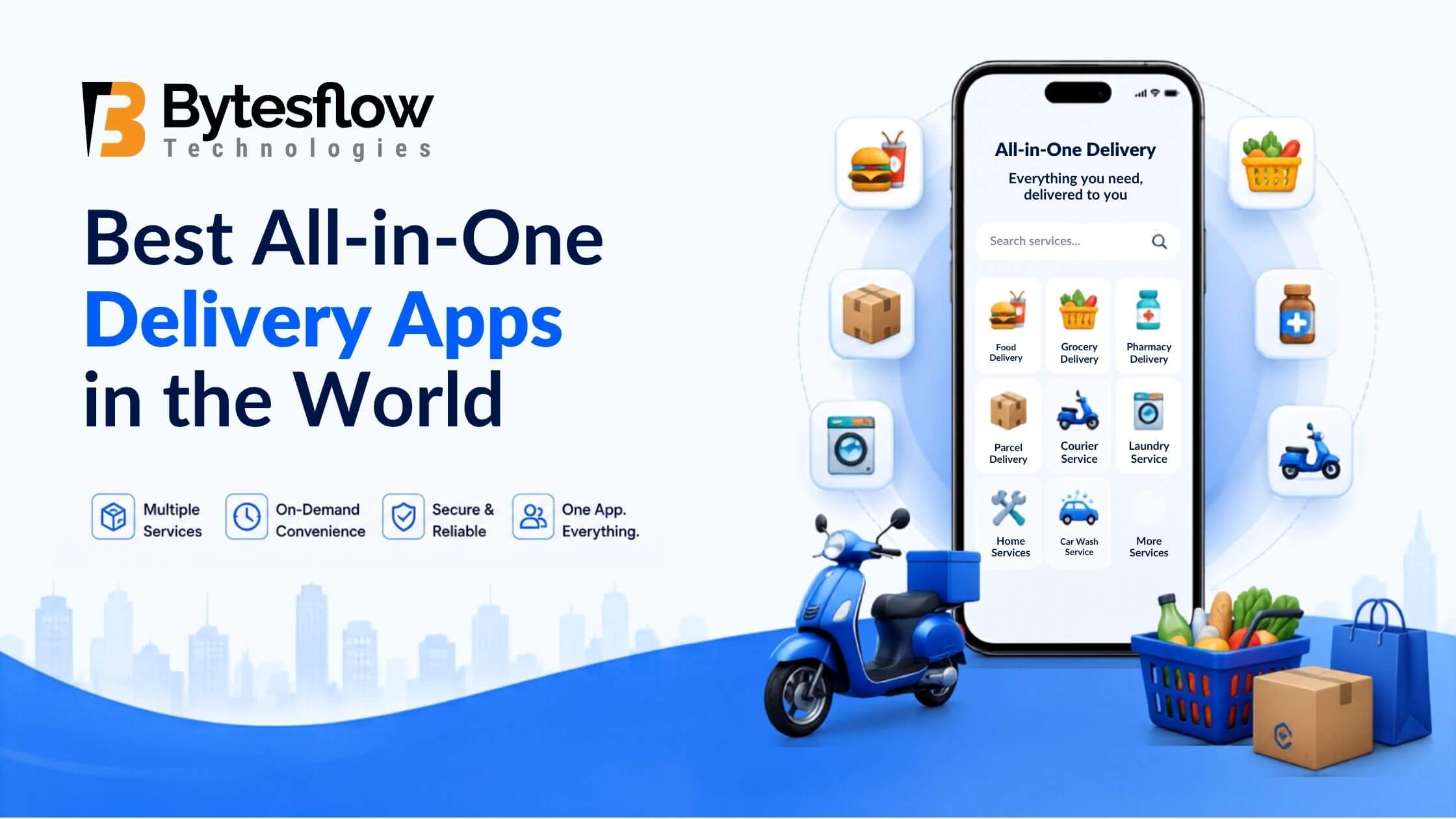
A Noon clone replicates the multi-category, multi-vendor business model made popular by Noon, the Middle East’s leading online marketplace. Instead of building a single-purpose app, you get a ready-made platform that lets customers order groceries, food, medicines, and other products from one interface. In effect, it works as an on-demand all-in-one delivery app clone rather than a single-category tool.
In short, this platform gives you:
- A pre-built customer app, vendor panel, delivery rider app, and admin dashboard
- A multi-vendor marketplace structure instead of a single-category app
- Faster time-to-market compared with custom development
- A foundation you can brand and customize as your own
Why Choose a Noon Clone for Your Business
Entrepreneurs increasingly choose a Noon clone script because it removes the guesswork from building complex, multi-service infrastructure from scratch. Consequently, founders can focus on growth instead of engineering.
The global online food delivery services market is projected to grow from USD 428.2 billion in 2026 to USD 618.4 billion by 2030, according to Grand View Research. Additionally, McKinsey notes that speed and convenience now drive most on-demand purchase decisions. Together, these trends explain why so many founders are entering the space through a ready-made, on-demand all-in-one delivery app clone rather than building from zero.
Key reasons businesses go this route:
- Lower upfront development cost
- Proven UX patterns that customers already trust
- Faster path to revenue
- Built-in support for multiple verticals under one brand
Key Factors to Evaluate Before You Buy
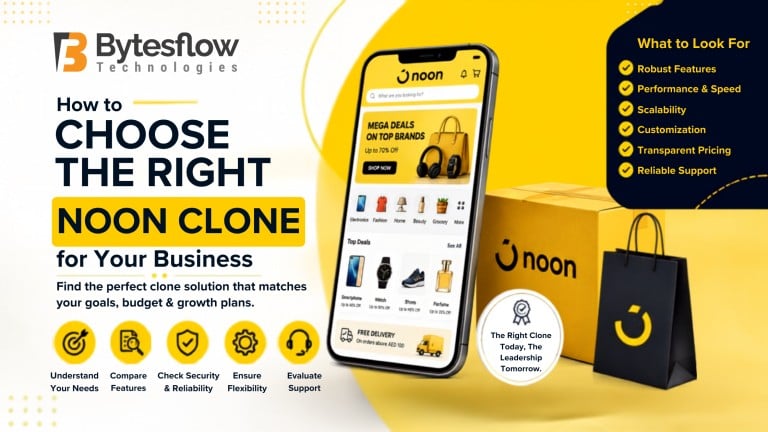
Not every solution in the market is built the same way. Before you finalize a Noon clone, evaluate these factors carefully so you don’t end up locked into a rigid, unscalable product.
1. Business Model Fit
First, confirm the script supports your exact use case. Ask yourself:
- Do you need food, grocery, pharmacy, and parcel delivery in one app, or just one or two verticals?
- Can vendors manage their own inventory and pricing?
- Does the platform support both marketplace and hyperlocal delivery logic?
2. Core Features Checklist
Use this table to compare vendors quickly:
Feature | Why It Matters |
Multi-vendor storefronts | Lets you onboard restaurants, stores, and pharmacies together |
Real-time order and rider tracking | Builds customer trust and reduces support tickets |
Multiple payment gateways | Increases checkout conversion across regions |
Commission and payout automation | Saves manual admin work as you scale |
Multi-language and multi-currency support | Essential for GCC and international markets |
Push notifications and in-app chat | Improves retention and order communication |
3. Customization and Ownership
Therefore, always ask whether you get full source code ownership or a locked, subscription-only license. A true white-label solution should let you rebrand the app entirely, add new features later, and avoid recurring platform fees that eat into margins.
4. Scalability for Multi-Service Growth
If you plan to expand beyond one category, your platform needs to behave like a genuine multi-service delivery app from day one. Look for modular architecture that supports adding new verticals, such as pharmacy or parcel delivery, without a rebuild. Similarly, check that the backend can handle rising order volumes as your city coverage grows.
5. Security and Compliance
Meanwhile, don’t overlook the basics: SSL encryption, secure payment processing, GDPR-friendly data handling, and role-based admin access. These aren’t optional extras; they protect your business from costly breaches later.
6. Vendor Support and Track Record
Finally, research the development company itself. Check their portfolio, client reviews, and post-launch support terms. A strong portfolio and transparent pricing usually signal a reliable long-term partner.
Pricing Guide: What Affects the Cost
Noon clone pricing varies based on customization depth, number of platforms (customer, vendor, rider, admin), and whether you need ongoing maintenance support.
Package Type | Typical Scope | Best For |
Basic | Core ordering features, single region | Early-stage startups testing the market |
Standard | Multi-vendor, multi-payment, analytics | Growing businesses ready to scale |
Enterprise | Full customization, dedicated support, multi-country rollout | Established players and franchises |
Ready-Made Script vs Custom Development
Factor | This Script | Custom Development |
Time to launch | Weeks | 8 to 12+ months |
Upfront cost | Lower | Significantly higher |
Feature maturity | Proven, tested | Built from zero, higher risk |
Flexibility | High, with white-label source code | Fully flexible but slower |
As the table shows, a ready-made, multi-service delivery app script gets you to market faster while custom builds take considerably longer to reach the same feature depth.
Red Flags to Avoid
Not every Noon clone script vendor offers the same transparency, so watch for these warning signs:
- No demo available before purchase
- Vague answers about source code ownership
- Hidden recurring fees not disclosed upfront
- No clear post-launch support or SLA
- Outdated technology stack with no update roadmap
Understanding the On-Demand Delivery Business Model
Before you commit to any script, it helps to understand how the on-demand delivery business model actually works behind the scenes. Most successful platforms combine three moving parts working together: a vendor-facing panel, a customer-facing app, and a fleet management system, all connected through one central admin dashboard.
Common revenue streams within this business model include:
- Commission on every completed order
- Delivery and service fees charged to customers
- Featured listings or promoted placements for vendors
- Subscription plans for frequent shoppers
- In-app advertising once order volume grows
A Noon clone simply packages this entire structure into one ready-made script instead of requiring you to design it from scratch. Consequently, you inherit a business model that already works, rather than testing an unproven one.
If you’re comparing options across categories, a few of our recent guides break this down further:
- Build Your Own Super App With a Snoonu Clone App covers how super apps bundle food, grocery, and parcel delivery under one brand
- What Is a Mrsool Clone App? A Complete Beginner’s Guide is a useful primer if you’re weighing on-demand delivery models side by side
Conclusion
Choosing the right Noon clone comes down to three things: proven features, real ownership of your source code, and a development partner who supports you well past launch day. Take your time comparing vendors, ask direct questions about scalability and cost, and prioritize transparency over the lowest sticker price.
Ready to launch your own Noon clone App?
View a free demo of Bytesflow’s platform, or book a free consultation with our team to plan your launch.
Frequently Asked Questions
1. What is a Noon clone app?
It’s a ready-made, multi-vendor delivery platform modeled on Noon’s marketplace, covering categories like grocery, food, and pharmacy in one app.
2. Is this type of script legal to use?
Yes. A clone script is original software inspired by a proven business model; it does not copy Noon’s trademark, brand assets, or proprietary code.
3. How long does it take to launch this kind of app?
Most businesses launch within 4 to 8 weeks, depending on the level of customization required.
4. Can I add new services later to this platform?
Yes, provided the platform uses modular architecture. Always confirm this scalability before purchase.
5. How much does it cost to build one?
Cost depends on features and customisation, ranging from a basic single-region package to a full enterprise rollout with multi-country support.