The digital landscape is growing quickly; the need for fast, easy, and cost-effective app solutions is in high demand. One of the widely trending solutions that has grown in popularity in recent years is the app cloning business.
Businesses are choosing to utilize a model that has already been created instead of going through the process of a brand-new project. This can be done using a model that is adaptable right away. The key here is the ‘app cloning’ business model.
In this blog, we will bring you exactly the meaning of app cloning, how it works, and how to navigate the advantages and disadvantages of the app cloning model, so you can make informed decisions for your business.
What Is App Cloning Business?
App cloning is the action of developing a version of a mainstream, successful app with equivalent functionality and features but with different branding, interface, and upgrades. These cloned apps are sold or developed for businesses trying to enter that industry vertical – food delivery (eg, UberEats Clone), taxi booking, eCommerce, etc. Entrepreneurs can capitalize on the success of app ideas instead of reinventing the wheel, and launch faster, for less, and with less risk.
How the App Cloning Business Model Works?
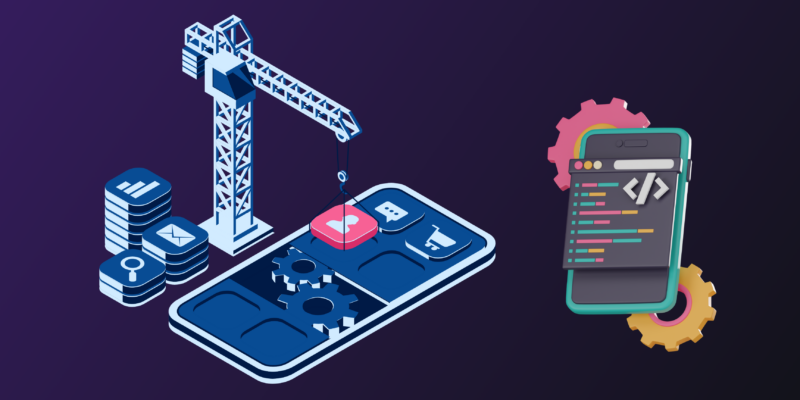
- Market Analysis: Research existing models of successful apps (like Uber, Airbnb, and Zomato, etc)
- Clone Development: Build a clone with similar functions, while also providing a unique UI/UX design and a backend that meets the client.
- Customization & Branding: Offer customization for clients, including logo, theme, payment options, language, etc.
- Deployment & Support: Deploy the app on various platforms (iOS, Android, Web) and provide ongoing support.
At Bytesflow, we provide ready-made clone solutions that are fully customizable for client needs across different industries.
Advantages of the App Cloning Business Model
1. Shortened Development Time
Cloned apps massively cut down development time. Having a pre-built framework allows businesses to launch their apps in weeks instead of months.
2. Cost-Effective
Creating an app from scratch takes an incredible amount of resources. Cloning allows startups to minimize the amount of investment, allowing them to put out a considered app without lighting money on fire.
3. Proven Business Model
When adopting an UberEats clone or DoorDash clone, your existing business model is already proven. You know it has already been through a product-market fit, and people use it.
4. Scalability and Flexibility
Clone apps are creating with scalability from the beginning. You can quickly add or delete features, plug third-party services, or finally scale the app given user demand.
5. Revenue Opportunities for Developers
For companies like Bytesflow, cloning apps generate a recurring business plan, providing solutions to various clients with industry-specific features.
Disadvantages of the App Cloning Business Model
1. Lack of Originality
Perhaps the biggest disadvantage of cloning is that the potential cloned apps will start to look and be so similar that it is even more difficult to distinguish them from competing similar apps.
2. Legal and IP Considerations
When cloning, great caution should be exercised to avoid copyright or trademark infringement. A developer must also ensure that the uniquely branded elements, product names, and patented technologies are not copied.
3. Restricted Innovation
Cloning too much could limit innovation. Instead, businesses should aim to look for improvement opportunities to help subtly differentiate their cloned model from competitors. Any direct copies of another app would not contribute valuable originality to the marketplace.
4. Brand Perception Risks
If customers consider the app to be a “copycat” of existing similar business models, your brand credibility can be adversely affected, especially in leading or competitive markets.
5. Technical Debt
If the original code is not robust enough, or the cloning developer did not adhere to strong architectural practices, moving forward or scaling, or any future customization you may want will be difficult.
Is the App Cloning Business Model Right for You?
The app cloning business model offers an outstanding opportunity for swift digital transformation with lower costs and reduced risks. However, like every business model, it has a number of considerations and challenges. Done correctly, with innovation, customization, and strategic thinking, it can be a highly effective way to build your digital presence.
At Bytesflow Technologies, we develop world-class clone apps that are not just clones; they are customized, refined, and built to operate in real-world situations.
Would you like to have your own branded app launched in record time? Talk to Bytesflow about our wide-ranging clone app development services today!